
1930s Home Decor: Bring Art Deco Glamour Home Today
Key Takeaways
- The 1930s home decor look blends Art Deco glamour with Streamline Moderne simplicity: geometric motifs, curved forms, chrome, glass, and plush textures.
- A period-correct color palette, from pastels to black and gold with jewel tones, plus strategic lighting and mirrors, delivers instant 1930s vibes.
- You can recreate the era fast with renter-friendly upgrades, including wallpaper accents, vintage-style prints, and damage-free Mixtiles gallery walls.
- Focus on key rooms rather than full overhauls, prioritize the living room and entry, add Deco lighting, and anchor everything with a curated wall-art story.
From Art Deco drama to Streamline Moderne sleekness, 1930s home decor turns simple spaces into cinematic settings. The era’s geometric patterns, luxe materials, and romantic lighting are surprisingly easy to bring home, no renovation required. In this guide, you will learn the defining traits of 1930s interiors, the right colors, furniture, lighting, and wall art, plus practical room-by-room tips. We will show you how to build a cohesive look with renter-friendly moves and Mixtiles photo tiles that go up in minutes and will not damage plaster.
Ready to design a 1930s-style gallery wall? Upload your vintage photos and Deco-inspired prints to create custom photo tiles. Explore our gallery walls for inspiration, choose your frame style, and stick them up with no nails and no damage.
What actually defines 1930s home decor?
It is the meeting point of exuberant Art Deco and pared-back Streamline Moderne. Expect bold geometry, polished materials like chrome and glass, curved silhouettes, rich textiles, and a strong sense of symmetry, all balanced by practical, functional design that emerged during the era.
Key influences you will recognize

Art Deco brought crisp geometry to the decade. Look for sunbursts, chevrons, zigzags, and stepped shapes that echo skyscrapers. Streamline Moderne softened that energy with rounded corners and horizontal lines inspired by ocean liners and airplanes. Hollywood glamour layered on mirrors, lacquer-like shine, and dramatic symmetry. At the same time, Bauhaus ideas kept spaces functional and uncluttered so rooms looked smart and lived-in rather than fussy.
Materials and finishes that set the tone

Shiny and sophisticated finishes define the period. Chrome and glass reflect light beautifully. Mirrored surfaces bring instant Hollywood sparkle. Bakelite accents and polished woods, especially walnut and exotic veneers, feel authentic. Waterfall edges on dressers and consoles are a hallmark detail. For textiles, reach for velvet, satin, mohair, rayon, or a soft bouclé to add plush comfort to all that sheen.
Motifs and shapes to spotlight

Fan shells and sunbursts communicate Deco at a glance. Stepped, skyscraper-like silhouettes add architectural drama. Rounded porthole circles, tubular steel forms, and scalloped edges reference the era’s nautical and aerodynamic themes. On the walls, repeating geometric wallpapers and simple painted borders or picture rails underscore the period symmetry.
How can you recreate the look without a renovation?
Focus on high-impact surfaces, lighting, and art. A few color tweaks, a statement mirror, and a cohesive wall art collection will pull your space into the 1930s quickly, especially when you use damage-free Mixtiles to create polished gallery walls.
Quick, renter-friendly upgrades
Start with a peel-and-stick wallpaper accent in a geometric or fan pattern, or paint one wall in dove gray or deep navy. Add a Deco mirror over a console to reflect light. Wall mirrors decor ideas can help you choose shapes and placements that amplify the 1930s mood. Swap in chrome or black metal lamp bases with frosted glass globes. Layer velvet cushions, a patterned rug with subtle geometry, and a scalloped lampshade for softness. Replace cabinet pulls with glass, chrome, or black hardware to weave in 1930s sparkle without tools beyond a screwdriver.
Make walls do the heavy lifting
Walls will communicate your style faster than any single piece of furniture. Combine vintage travel posters, ocean-liner graphics, and cityscapes with your black-and-white family portraits. Architectural drawings and monogram prints feel period-correct too. Keep frames consistent in black, gold, or polished wood so your collection reads cohesive.
Which colors say “1930s” the moment you walk in?
Balance soft pastels or warm neutrals with high-contrast accents. Pastels and dove gray evoke Streamline Moderne, while black, ivory, and gold deliver Deco drama. Add a jewel note like emerald or navy to anchor the palette and keep it contemporary.
Glamour palettes
Black, ivory, and gold feel cinematic and timeless. Emerald with brass adds richness that pairs well with walnut. Navy with mirrored accents channels evening elegance without feeling heavy. If your room lacks natural light, consider cream-forward walls with black accents for clarity.
Streamline Moderne pastels
Eau-de-nil, a pale green, instantly telegraphs the period. Powder blue, rose pink, dove gray, and mauve are equally authentic. Use pastels on the walls or textiles, then add chrome, glass, and mirrors so the palette feels crisp rather than sweet.
Warm neutrals and wood tones
Walnut and medium-to-dark wood stains ground the space. Cream, tea-stain ivory, and camel warm up cool metals and glass. Combine a warm neutral base with one bold accent color so your art and lighting can shine.
Sample pairings
Try black and ivory with a gold sunburst mirror, or dove gray walls with jadeite green accents and chrome lighting. A navy sofa with walnut side tables and a mirrored tray sets the stage for a Deco-leaning gallery wall in black frames.
What furniture styles instantly read 1930s?
Choose rounded lines and stepped forms. Look for waterfall edges, tubular steel or chrome frames, and veneered casegoods that showcase grain. One curved piece can change the whole mood of a room.
Must-have silhouettes
Waterfall dressers and consoles feature rounded edges that define the decade. Club chairs with generous curved arms invite lounging. Tubular steel or chrome-framed side tables add shine without visual bulk. Skyscraper bookcases, with stepped tops and vertical emphasis, nod to 1930s skylines.
If you buy only three pieces
Pick a curved-arm sofa or club chair to echo Streamline shapes. Add a mirrored or chrome accent table for light play. Finish with a Deco sideboard that shows veneer patterns or stepped details. These three choices will convey the style even in a minimal space.
Affordable stand-ins and DIYs
Update existing furniture with high-gloss black or deep emerald paint for instant Deco energy. Add scalloped trim or simple stepped moldings to flat-front cabinets. Swap legs for tapered or rounded versions. Replace hardware with glass or chrome to complete the illusion.
How do you style your walls like it is 1936?
Lead with symmetry, bold yet balanced art, and a clear frame language. Geometric wallpaper, fan motifs, and period posters set the tone, while a tight grid or stripe of Mixtiles creates that crisp 1930s order in minutes.
Wallpaper and paint tricks
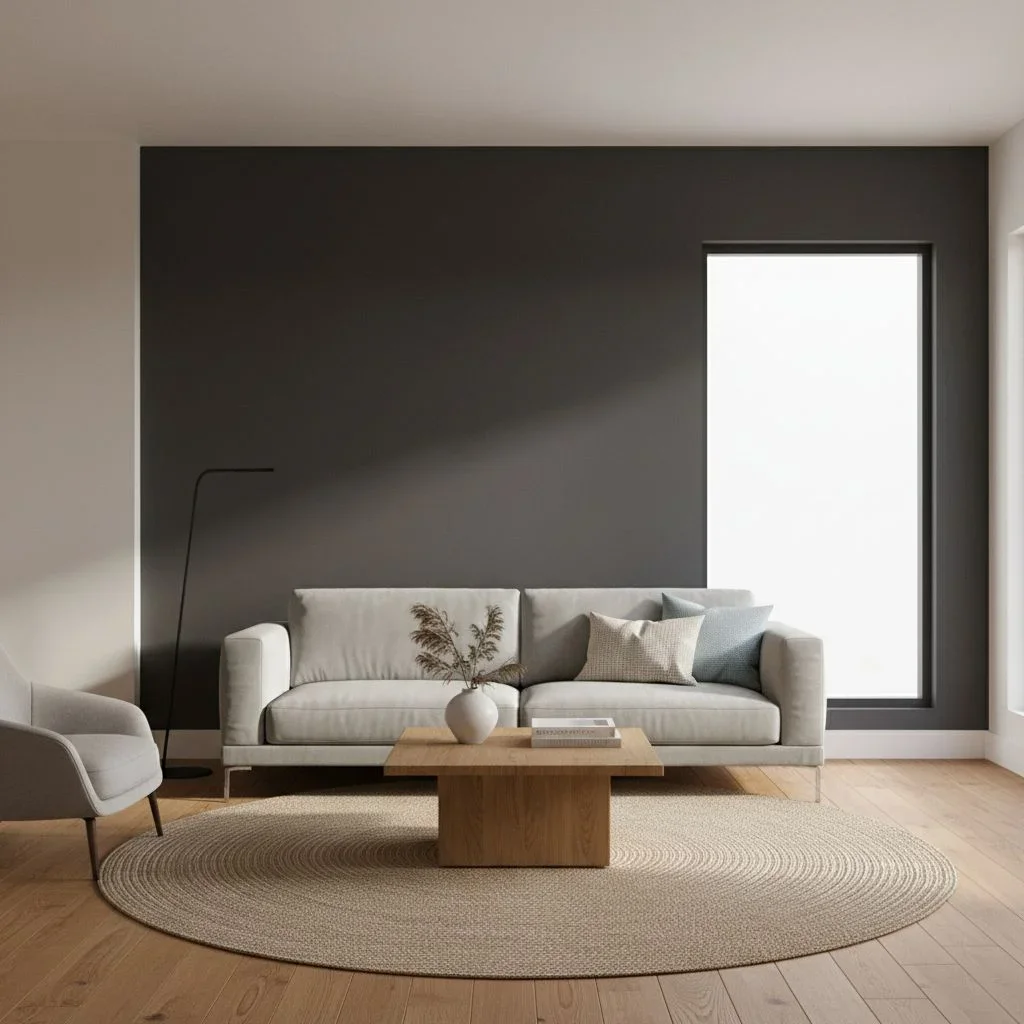
Choose geometric repeats, stylized florals, or fan shells, ideally in a soft palette if you have smaller rooms. Two-tone walls with a simple picture rail create a subtle Deco line around the room. If you prefer paint, a single darker accent wall behind the sofa or bed makes a perfect gallery backdrop.
Art that defines the decade
Ocean liner and aviation posters celebrate the machine age. Cityscapes and jazz-era graphics add energy. Architectural blueprints and monograms feel tailored and personal. Mix in family portraits as beautiful canvas pictures to ground your wall in your story, not just the style.
|
Layout Style |
Tile Count |
Recommended Tile Size (Advertised) |
Typical Spacing |
Approx Wall Width |
Approx Wall Height |
|---|---|---|---|---|---|
|
Art Deco Grid, 3 × 3 |
9 |
8 × 8 in, 20.32 × 20.32 cm |
2 in, 5.08 cm |
28 in, 71.12 cm |
28 in, 71.12 cm |
|
Streamline Stripe, 1 × 5 |
5 |
8 × 8 in, 20.32 × 20.32 cm |
2 in, 5.08 cm |
48 in, 121.92 cm |
8 in, 20.32 cm |
|
Hollywood Portrait Wall, 2 × 3 |
6 |
12 × 16 in, 30.48 × 40.64 cm |
2 in, 5.08 cm |
40 in, 101.6 cm |
34 in, 86.36 cm |
Build a cohesive gallery wall
Use a simple sequence to get that period-perfect symmetry without stress. Mixtiles makes it easy to place and adjust until everything aligns.
- Pick a frame language, for example all black or all gold, so your art reads as one collection;
- Plan your layout on the floor, then measure the total height and width to center on your wall;
- Place the first tile at eye level and dead center, then expand outward in a grid or stripe for perfect balance;
- Keep spacing tight and consistent, usually 2 inches or 5 cm, for a crisp 1930s look;
- Step back and make micro-adjustments, Mixtiles can be lifted and rehung in seconds for flawless symmetry.
Why damage-free matters, especially for older plaster
Many 1930s homes have brittle plaster that can crack with nails and anchors. Mixtiles adhere directly to painted walls without tools. You can reposition tiles cleanly and often, so you get the precision of Deco symmetry without patching, drilling, or dust.
Bring your 1930s mood board to life in minutes. Turn your favorite Deco art into beautiful canvas prints. Our popular 8x8 canvas prints are perfect for creating a symmetrical grid. Try it risk-free. If you do not love it, we will make it right.
How do you add 1930s character room by room?
Target high-traffic spaces first. A styled living room or entry sets the tone for the entire home. Then layer consistent materials, lighting, and wall art in supporting rooms.
Living room

Center a curved sofa or club chair and flank it with symmetrical side tables. Add a Deco rug with a subtle geometric repeat. Above the sofa, a 3 × 3 Mixtiles grid in black frames creates a period-perfect focal point. Finish with a sunburst mirror on the opposite wall to bounce light. For layouts and styling tips that fit any space, explore our living room wall decor ideas.
Dining room

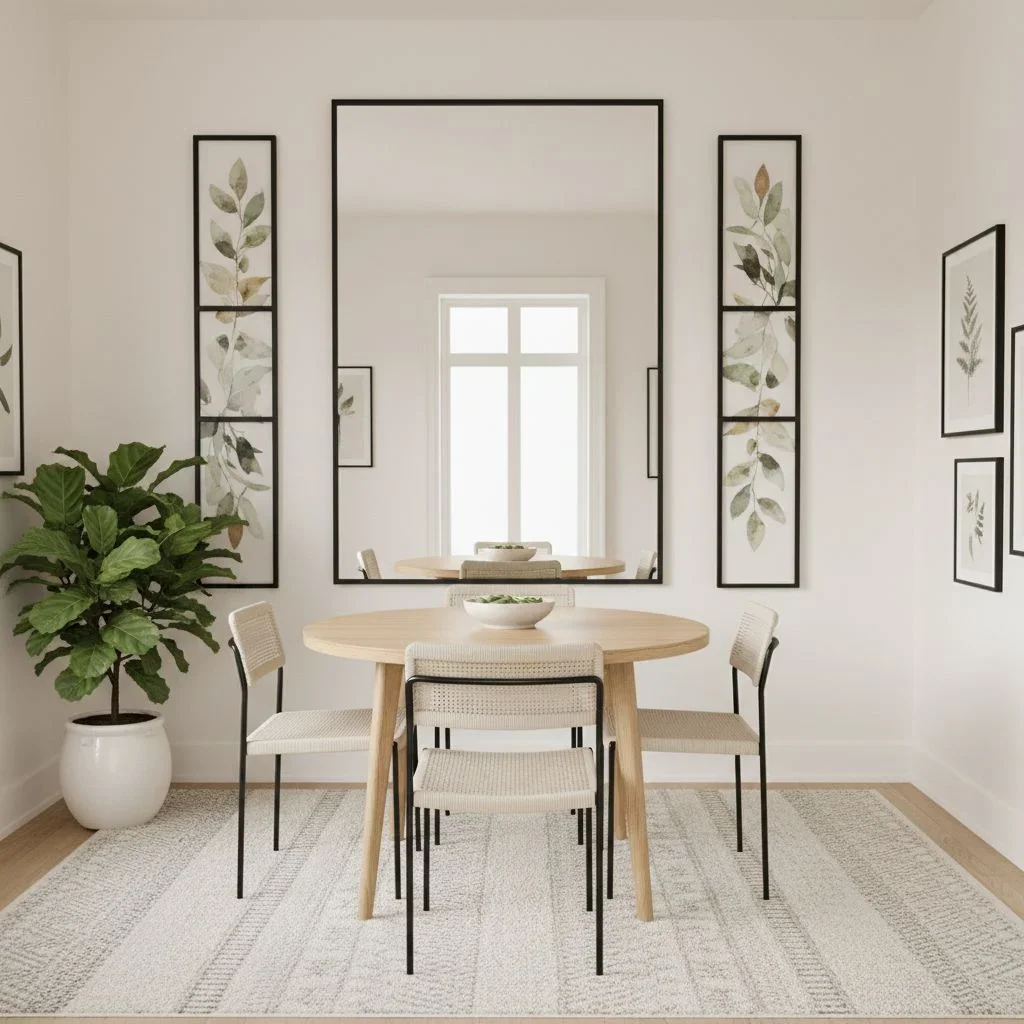
Let a veneer sideboard carry the wood tone. A stepped mirror above it echoes skyscraper profiles. Choose a chrome or glass chandelier with frosted globes. Use a tight stripe of Mixtiles showcasing vintage menus, travel posters, or family celebrations to personalize the space.
Kitchen

Layer pastels with black-and-white patterns. Consider a peel-and-stick checkerboard runner near the sink. Swap in chrome hardware and a small Deco sconce if possible. A narrow Mixtiles column of recipe cards, family photos, or fruit illustrations adds charm without taking counter space.
Bedroom

Pair waterfall nightstands with a velvet throw for plush comfort. Scalloped lampshades soften the look. Over the headboard, hang a calm, symmetrical Mixtiles trio, perhaps sepia portraits or architectural drawings. Keep colors restful with dove gray, cream, and a single jewel accent.
Entry and hallway

Make a small space feel grand with a narrow console and a Deco mirror. Run a vertical Mixtiles column to elongate the wall, or a horizontal stripe to emphasize Streamline lines. Hallways are perfect for a cinematic story told through black-and-white family photos.
Bathroom

Black-and-white tile accents and frosted glass sconces feel right at home. Add framed prints that can handle humidity, such as Mixtiles without glass. Keep metal finishes in chrome or black to tie back to the rest of your 1930s palette. See more space-smart inspiration in our bathroom wall decor ideas.
What lighting and hardware complete the 1930s vibe?
Think sculptural and slightly glamorous, yet restrained. Frosted glass, chrome, and stepped details make fixtures feel era-true without overpowering the room.
Lighting choices

Skyscraper pendants with tiered glass, frosted globes, and fan-shaped sconces cue the period immediately. Chrome and black metal finishes keep lines crisp. For extra sparkle, add a small mirrored backplate behind a sconce to reflect light.
Hardware and details

Glass or chrome knobs on cabinets, stepped switch plates, and geometric curtain rods reinforce the look in subtle ways. These small touches help link rooms together so your 1930s home decor reads as a cohesive whole.
Layered light for drama

Use ambient ceiling fixtures for overall light. Add accent sconces near art or mirrors to model the walls. Finish with task lamps at seating and desks. Dimmers will capture that cinematic glow the 1930s are known for, especially at night.
What mistakes should you avoid when going 1930s?
Keep your edit strong and your scale controlled. The style rewards restraint and clear visual rhythm.
Do not mix too many eras in one room or you will lose cohesion. Pick Deco-forward or Streamline-leaning, then choose accents that support that choice. Balance pattern scale so a bold wallpaper has calm companions. Prioritize comfort, adding plush textiles and rounded edges so the space feels welcoming. Avoid drilling into delicate plaster if you can. Mixtiles provides a nail-free path to symmetry and polish.
Can you get the look on a budget?
Yes. Choose a few high-impact upgrades and let your walls tell the story. Mirrors, hardware, and art deliver the biggest wins per dollar.
Under-$200 shopping list, prioritize impact
- One statement mirror to bounce light and add Deco shape;
- Two velvet cushions to bring plush texture to a neutral sofa;
- One geometric rug runner to define a hallway or entry sightline;
- Four to six Mixtiles to form a crisp stripe or grid that anchors the room.
Thrift and DIY checklist
Hunt for waterfall-front dressers, veneer details, and chrome tube frames at estate sales and flea markets. Even if finishes are tired, strong lines are what matter. A weekend of sanding and high-gloss paint can turn a plain cabinet into a Deco-inspired statement. Swap in glass or chrome knobs to finish the transformation. For weekend-friendly projects you can personalize, start with our DIY wall art ideas.
Where to find printable art
Search public-domain archives for travel posters, cinema graphics, and architectural drawings. Mix those with scans of family portraits to build a gallery that feels museum-quality but personal. Upload everything to Mixtiles, choose your frame style, and install without tools.
1930s home decor marries crisp geometry with plush comfort, part machine-age efficiency, part Hollywood sparkle. Start with a period-friendly palette, add rounded silhouettes and mirrored shine, then seal the look with a cohesive, symmetrical photo wall.
With renter-friendly upgrades and Mixtiles damage-free frames, you can switch up layouts as your collection grows. Curate, stick, and step back. Your living room just turned into a timeless movie set.
Transform your walls tonight. Explore our collection of wall arts to find the perfect frame style for your 1930s-inspired photos. Create flawless photo walls with no nails and no damage. Shop Mixtiles now.
Frequently Asked Questions
What defined 1930s interior style?
Two currents defined the decade: Art Deco and Streamline Moderne. Expect bold geometry, sunbursts and chevrons, stepped silhouettes, mirrored and chrome finishes, plus rounded, aerodynamic lines. The style marries glamour with function, creating symmetrical rooms that feel polished, practical, and surprisingly livable.
How can I decorate my home in a 1930s style?
Begin with symmetry, geometric wallpaper or borders, and one curved piece like a sofa or club chair. Add chrome or glass lighting, a statement mirror, and cohesive wall art. Use damage-free Mixtiles to build tight grids or stripes, then refine placement by simply repositioning.
Which color palettes feel true to the 1930s?
Authentic palettes mix soft, dusty tones with high-contrast accents. Try dove gray, cream, eau-de-nil green, powder blue, or blush, then layer black, ivory, and gold for drama. Add a jewel note like emerald or navy, and keep metal finishes consistent for unity.
What interior features are typical of 1930s homes?
Typical 1930s features include parquet or herringbone floors, bold geometric tiling, picture rails, and stepped or scalloped details. Look for frosted glass and chrome fixtures, mirrored accents, waterfall-edge furniture, and streamlined cabinetry. Balance the sheen with velvet, satin, or bouclé for comfort.

Be first to know — deals, news & decor ideas.
By clicking you agree to the Terms of Use & Privacy Policy